Mash Up the Block: Your Complete Playbook for Celebrating Mashramani the Right Way in America
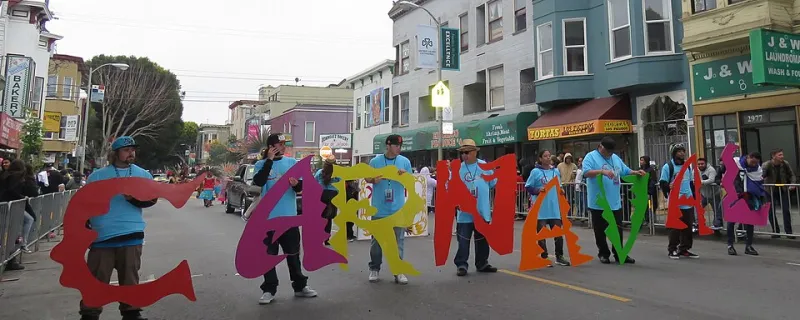
Photo: Carnaval.com Studios from The Inner Mission San Francisco, Earth, CC BY 2.0, via Wikimedia Commons
What Even Is Mashramani? (A Quick Refresher for the Kids)
Okay, let's start from the top — because if you've got Guyanese roots but grew up mostly in the US, there's a good chance you've heard the word "Mash" your whole life without fully knowing the story behind it.
Mashramani — or "Mash" as literally everyone calls it — is Guyana's Republic Day celebration, held every year on February 23rd. The date marks the day in 1970 when Guyana officially became a Republic, cutting its last formal constitutional ties with the British Crown while remaining part of the Commonwealth. It's a huge deal. Think of it like Guyana's version of the Fourth of July, except with way better music, more elaborate costumes, and food that puts most holiday spreads to shame.
The word "Mashramani" itself comes from an Amerindian term meaning "celebration after cooperative work" — which, honestly, is the most Guyanese concept imaginable. You work hard together, then you celebrate hard together. That's the whole vibe.
Back in Guyana, Mash is a weeks-long buildup of floats, steel bands, calypso competitions, costume parades, and street parties that culminate in a massive Georgetown celebration. In America, we do things a little differently — but the spirit? That never changes.
How the Diaspora Does It: City by City
The Guyanese community in the US is spread out, but don't let that fool you — when Mash season rolls around, people find each other. Here's a look at how different cities are keeping the tradition alive:
New York City
New York is home to the largest Guyanese diaspora in the United States, centered primarily in Queens (Richmond Hill, Ozone Park) and the Bronx. The city's Guyanese community has been celebrating Mash for decades, and the events have grown significantly in recent years.
Cultural organizations like the Guyanese American Cultural Association regularly host Republic Day events featuring live performances, traditional food vendors, and cultural exhibitions. Churches and community centers in Richmond Hill often hold Mash-themed dinners and dances that draw hundreds of attendees. Keep your eyes on community boards and social media groups in late January — events get announced fast and fill up faster.
South Florida
The South Florida Guyanese community — particularly in Broward County and Miami-Dade — has developed a robust Mash celebration culture of its own. Lauderhill and Miramar have significant Guyanese populations, and local organizations often coordinate with broader Caribbean community groups to host multicultural Republic Day events.
The Florida celebrations tend to lean into the outdoor festival format, with park gatherings featuring live soca and chutney music, costume competitions for kids, and food stalls that could honestly compete with anything you'd find on a Georgetown street corner.
The Mid-Atlantic and Beyond
Maryland, New Jersey, and Connecticut all have growing Guyanese communities that organize Mash celebrations through cultural associations, Hindu mandirs, and community halls. If you're in a city with a smaller Guyanese population, check with your local Caribbean association — many of them fold Republic Day into broader Caribbean heritage programming.
And if all else fails? Host your own. Seriously. Some of the best Mash celebrations we've ever heard about started as small backyard gatherings and grew into neighborhood traditions.
The Food Is Non-Negotiable
Let's be real: you cannot celebrate Mash without the food. Period. Here's a rundown of the essential dishes that need to be on your table on February 23rd:
Pepperpot — The national dish and the undisputed king of Guyanese holiday cooking. This rich, dark stew made with cassareep (a thick sauce derived from cassava), various meats, and warming spices is traditionally prepared at Christmas but absolutely belongs at Mash too. It gets better the longer it sits, so start it early.
Cook-Up Rice — A one-pot dish of rice, black-eyed peas, and coconut milk that is pure comfort food. Every Guyanese family has their own version, and every family thinks theirs is the best. They're all right.
Dhal Puri and Curry — Soft, split-pea-filled flatbreads served with chicken, goat, or vegetable curry. If you're in New York, you probably already know where to get these. If you're somewhere less Guyanese, learn to make them. Your non-Guyanese friends will be forever grateful.
Metemgee — A hearty ground provision stew with dumplings, plantain, and coconut milk that represents the Afro-Guyanese culinary tradition beautifully. Don't sleep on this one.
Mauby and Sorrel — Wash everything down with these classic Caribbean drinks. Mauby (made from tree bark and spices) has a distinctive bitter-sweet flavor that you either love immediately or grow to love over time. Sorrel (hibiscus drink) is universally beloved and non-negotiable at any Caribbean gathering.
Getting the Kids Involved: Passing It Down
This is honestly the most important part of the whole thing. Celebrating Mash in America isn't just about having a good time (though it absolutely is about that too) — it's about making sure the next generation knows where they come from.
Here are some practical ways to make Mash meaningful for your kids:
Tell the story. Sit down with your children before the celebration and explain what Republic Day means. Talk about Guyana's history, its independence, and why the day matters. If you have family members who remember the early Republic Day celebrations in Guyana, have them share those memories.
Get them in costume. The costume parade is one of the most beloved Mash traditions. Even if you're just celebrating at home, dress the kids up in the colors of the Guyanese flag — green, gold, black, red, and white — and let them parade around the living room. Make it silly and fun. They'll remember it.
Cook together. Get the kids in the kitchen. Making pepperpot or cook-up rice with grandma or an auntie is the kind of memory that sticks for life. Hand down those recipes. Write them down if you haven't already.
Play the music. Soca, chutney, steelband — put it on, turn it up, and dance. Music is one of the most powerful carriers of cultural memory, and if your kids grow up associating Guyanese rhythms with joy and celebration, that connection will never fully fade.
Show them Guyana. Thanks to YouTube and social media, you can watch the actual Mashramani parade in Georgetown in real time. Pull it up on the TV during your celebration and let the kids see what it looks like back home. Many Guyanese organizations also livestream events, so check community pages as February 23rd approaches.
Building Community Through Celebration
One of the most beautiful things about Mash in the diaspora is what it does for the community. In a country where Guyanese people are spread across dozens of cities and suburbs, Republic Day becomes a natural gathering point — a reason to reconnect, to meet new people from back home, and to remind yourself that you're part of something bigger than your individual life in America.
If you've never attended a Mash event in your city, this year is the year. Look up your local Guyanese or Caribbean cultural association, follow Guyanese community groups on Facebook and Instagram (they are very active, trust us), and show up. Bring food to share. Bring your kids. Bring your non-Guyanese friends who've been curious about the culture.
And if there's no organized event near you — start one. Even a small gathering of five or ten Guyanese families celebrating together is a Mash celebration. The location doesn't matter. The intention does.
Happy Mashramani, from all of us here at Guyana Online. Mash up di place, wherever you are. 🇬🇾