Hustle, Heritage, and Hustle Again: How Guyanese Americans Are Quietly Dominating the Business World
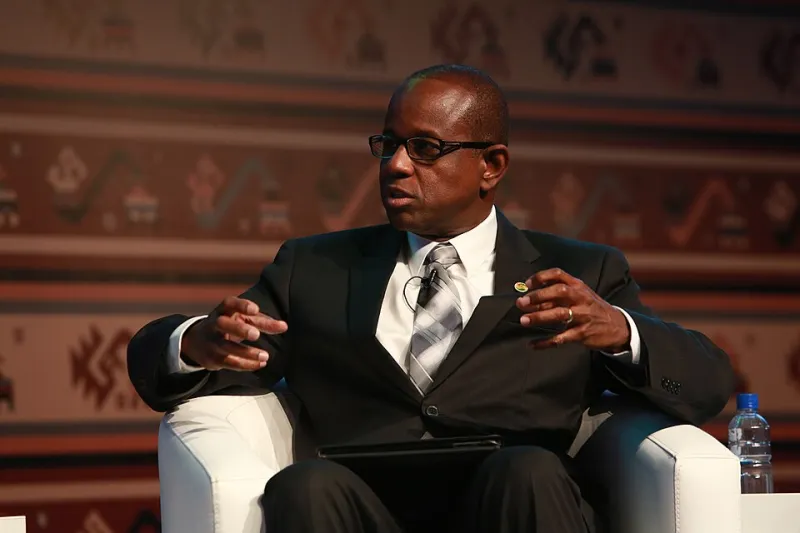
Photo: World Travel & Tourism Council, CC BY 2.0, via Wikimedia Commons
The Quiet Rise of a Powerful Diaspora
If you've spent any time in South Florida, the Bronx, or certain pockets of New Jersey, you already know — Guyanese people don't play when it comes to making moves. The community has been quietly building businesses, accumulating real estate, and launching tech startups for decades, and the results are finally getting the attention they deserve.
Guyana Online has been tracking this wave, and trust us, it's bigger than most people realize. We reached out to business owners, entrepreneurs, and community leaders across the US to get the real story behind the success. What we found wasn't just inspiring — it was a masterclass in turning Caribbean grit into American gold.
From the Minibus to the Boardroom
Take Deon Persaud, a 41-year-old originally from New Amsterdam who now runs a healthcare staffing firm out of Atlanta with annual revenues pushing past the two-million-dollar mark. He didn't arrive with connections or capital. He arrived with a suitcase, a cousin's couch to crash on, and what he describes as "a Guyanese stubbornness that wouldn't let me fail."
"Back home, you learn early that nobody's coming to save you," Deon told us over the phone. "You figure things out. You work two jobs, three jobs if you have to. That mentality doesn't leave you just because you move to America."
He started out as a certified nursing assistant in Decatur, Georgia, worked his way into hospital administration, and eventually spotted a gap in the market for culturally competent healthcare staffing — workers who could communicate effectively with Caribbean and immigrant patients. Today, his company places over 200 healthcare professionals across Georgia and Florida.
Deon's story isn't unique. It's actually part of a pattern.
Food, Family, and Franchise Potential
The food industry might be where Guyanese entrepreneurship is most visible — and most delicious. Across New York, Maryland, and Toronto (yes, we know Canada's not the US, but our Canadian cousins stay winning too), Guyanese restaurants and bakeries have become anchor businesses in their communities.
Shameela Bacchus opened her first roti shop in Richmond Hill, Queens, back in 2009. What started as a small takeout spot has since expanded into three locations, a catering operation, and a packaged goods line that ships frozen dhal puri and curry across the country.
"People underestimate Caribbean food," Shameela said with a laugh. "They think it's niche. But I have customers of every background — Indian, Black, Latino, white Americans — who come back every week. Good food is universal."
Shameela is now exploring franchise opportunities and has been in conversations with a restaurant consulting group about expanding the brand beyond the Northeast. Her advice to aspiring food entrepreneurs in the diaspora? "Don't water down your culture to appeal to people. Lean into it. That's your competitive advantage."
Tech and the New Generation
The younger generation of Guyanese Americans — those who either came over as children or were born here to immigrant parents — is making noise in tech and finance in a big way. These are the kids who grew up hearing their parents talk about sacrifice and hard work at the dinner table, and they've channeled that energy into Silicon Valley-adjacent careers and startups.
Marcus Singh, 29, is a second-generation Guyanese American from Lauderhill, Florida. His parents ran a small grocery store for twenty years. Today, Marcus is the co-founder of a fintech startup focused on remittance solutions for Caribbean and South American families — a product he describes as deeply personal.
"I watched my parents send money home to Guyana my whole childhood," he explained. "The fees were ridiculous. The process was slow. I knew there had to be a better way, and honestly, I knew I was probably the person to build it."
His company raised its first seed round of $1.2 million last year and is currently in beta with users across Florida, New York, and Texas. The product specifically targets the Caribbean diaspora — a community that sends billions of dollars home annually but has historically been underserved by mainstream fintech platforms.
Real Estate: The Guyanese Playbook
Ask any Guyanese elder in America what the first big financial goal should be, and nine times out of ten they'll say the same thing: own property. This cultural emphasis on real estate has created a generation of Guyanese American landlords, developers, and real estate agents who are building serious wealth through property.
In neighborhoods like Flatbush, Crown Heights, and Ozone Park in New York, Guyanese families have been purchasing multi-family homes for decades — living in one unit and renting out the others to build equity. It's a strategy that predates the trendy "house hacking" term that financial influencers love to throw around on social media.
Realtor and investor Anita Ramsaroop, who operates out of New Jersey and has a portfolio that includes properties in both the US and Guyana, puts it plainly: "We've been doing what they now call 'building generational wealth' for generations. We just called it common sense."
Anita has also been part of a growing trend of diaspora investors putting money back into Guyanese real estate, particularly as the country's oil boom continues to reshape its economy and property values.
The Homeland Connection: A Business Asset, Not Just Nostalgia
One thing that consistently came up in our conversations was how maintaining strong ties to Guyana — culturally, economically, and personally — has actually been a business advantage, not a distraction.
Entrepreneurs across sectors talked about how their understanding of Caribbean culture, immigrant experiences, and the specific needs of diaspora communities has allowed them to identify market gaps that others simply can't see. Whether it's healthcare, food, tech, or real estate, the Guyanese perspective is a lens that creates opportunity.
And with Guyana's economy growing faster than almost any other in the Western Hemisphere right now, the homeland connection is becoming increasingly valuable in a very literal, financial sense. Several diaspora entrepreneurs told us they're actively exploring business partnerships and investments in Guyana, seeing the country's current development moment as a once-in-a-generation opportunity.
So You Want to Start a Business: What the Community Says
We asked every entrepreneur we spoke with for one piece of advice for diaspora members thinking about starting their own venture. Here's what they said:
Build your community first. Almost universally, these business owners credited their early success to support from other Guyanese and Caribbean Americans — customers, mentors, employees, and referral networks. Don't sleep on the power of your own community.
Know your niche. Your identity and background are assets. The experiences that make you different from a mainstream American entrepreneur are the same experiences that help you see opportunities others miss.
Get your paperwork right early. Multiple entrepreneurs mentioned that figuring out business registration, taxes, and legal structure early saved them major headaches down the road. Resources like the Small Business Administration and SCORE offer free mentoring and workshops.
Stay connected to home. Whether it's visiting Guyana, staying active in diaspora cultural organizations, or simply keeping up with what's happening back home, that connection will continue to fuel and inform your business in ways you might not even expect.
The Guyanese American business story is still being written, and from where we're sitting, the chapters ahead are looking very, very good.