Dirt, Deeds, and Dollars: How Guyanese Americans Are Building Wealth Back Home One Lot at a Time
Photo: Harguaobimgwo TAMGIU, CC BY-SA 4.0, via Wikimedia Commons
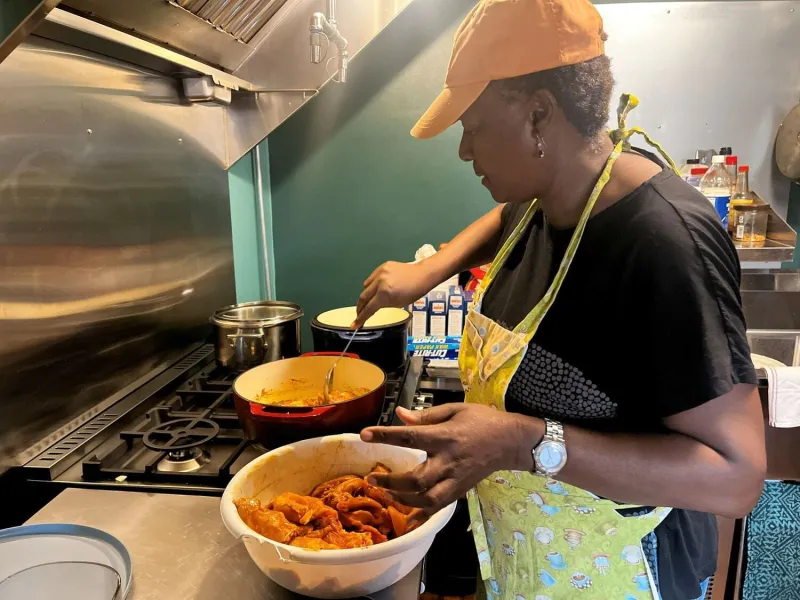
Rashida Persaud spent twenty-two years working in healthcare administration in the Bronx. She clocked in, paid her taxes, maxed out her 401(k), and quietly watched the real estate market in New York become something that felt permanently out of reach. Then, about four years ago, her aunt back in Georgetown called to say the land next door was going up for sale.
"I didn't even think twice," Rashida says now, laughing. "I wired the deposit before I even told my husband."
Today, she owns two residential properties in the East Coast Demerara corridor and is mid-construction on a third. She manages everything from a laptop in her Yonkers apartment, coordinating with a local contractor over WhatsApp voice notes and video calls. She's never once felt like she needed to be standing on the soil to make it work.
Rashida isn't alone. Across the Guyanese diaspora in the US — from South Florida to the DMV to the tri-state area — a quiet but accelerating wave of investment is flowing back home. People who couldn't afford to buy a condo in Brooklyn are discovering they can build a whole rental compound in Berbice. And with Guyana's economy now among the fastest-growing in the hemisphere, thanks largely to offshore oil revenue, the window that once felt like a gamble is starting to look more like a ground-floor opportunity.
Why Now? The Guyana Moment Is Real
Let's be clear: Guyana has always been worth investing in for those who knew where to look. But the past five years have changed the calculus in a serious way. The country's GDP growth has been staggering, infrastructure investment is accelerating, and property values in and around Georgetown have moved meaningfully upward. New commercial zones, road improvements, and an expanding middle class are all feeding demand for quality rental housing.
For diaspora investors, that timing lines up with something personal, too. A generation of Guyanese Americans who arrived in the 1990s and 2000s are now in their 40s and 50s, established in their careers, and sitting on accumulated savings and strong credit profiles that simply don't exist for most first-time buyers in Guyana. The arbitrage is real: a US credit history and a disciplined savings habit can translate into purchasing power back home that feels almost surreal.
"I told my coworker I bought a house in Guyana and she thought I was joking," says Marcus James, a Brooklyn-based logistics manager who purchased a lot in Annandale in 2022. "I paid less than a used car. And now I'm renting it out for income."
The Playbook: What Serious Investors Are Actually Doing
For those ready to move beyond daydreaming, the approach tends to follow a recognizable pattern among the most successful diaspora investors.
Start with the land, not the building. Many experienced investors recommend securing a lot first, then building in phases as cash flow allows. Land in areas outside central Georgetown — think Eccles, Providence, and parts of the East Bank — remains comparatively affordable and is appreciating steadily.
Build your team on the ground. This is non-negotiable. You need a trusted attorney who specializes in Guyanese property law, a licensed surveyor, and ideally a project manager or contractor with verifiable references. Facebook groups and diaspora networks are useful starting points, but do your own vetting. "I asked three different people before I hired my attorney," Rashida says. "And I still flew down once just to look people in the eye."
Understand the Transport and Title process. Guyanese property transactions operate under a system of transports — the formal legal mechanism for transferring ownership — that is different from the deed-based systems most Americans are familiar with. Working with a local attorney isn't optional; it's the whole thing. Delays are common, and patience is a genuine requirement.
Use remittance infrastructure wisely. Wiring construction funds in large lump sums can attract scrutiny and fees. Many investors work with their contractors to stage payments in tranches tied to construction milestones, which also protects against scope creep or funds being misused.
Plan for the long game. Rental yields in Georgetown are attractive by US standards, but the rental market there operates differently. Month-to-month arrangements are common, tenant protections are evolving, and property management from overseas requires a reliable local contact — often a family member — who can handle issues in real time.
The Risks Nobody Talks About at the Cookout
Here's where we have to get honest, because the hype is real but so are the headaches.
Title disputes are not uncommon in Guyana, particularly on older properties with complex inheritance histories. Doing thorough due diligence on a property's chain of ownership is essential and can take time. Skipping that step to move fast is how people lose money.
Construction costs and timelines in Guyana are notoriously difficult to pin down. Material prices have risen alongside the broader economic boom, skilled tradespeople are increasingly in demand, and projects that were supposed to take eight months routinely stretch to two years. Budget for overruns from day one.
Then there's the cultural piece that doesn't show up in any spreadsheet. Some diaspora investors describe a complicated dynamic when they return or engage locally as "the person from America with money." Prices get inflated. Relatives expect involvement or compensation. Neighbors have opinions. Being a landlord in Georgetown when you live in Maryland is a different kind of relationship than being a landlord in your own city, and navigating it with respect and clear expectations takes work.
"People see you as wealthy because you're from the States," says one investor who asked not to be named. "And maybe compared to some, you are. But you have to be firm about what things cost and what your boundaries are, or you'll get eaten alive."
The Reward That Goes Beyond the Return
For all the complexity, ask diaspora investors why they do it and the answers go somewhere deeper than yield percentages.
There's something about owning land in the country your parents or grandparents came from that registers in a part of you that a stock portfolio just doesn't reach. It's legacy. It's proof. It's a thing you can point to and say: we built that.
Rashida put it simply: "When my kids visit Guyana, they're not staying in a hotel. They're staying in something that belongs to us. That matters to me more than any rent check."
The Guyanese American real estate moment is here. It's noisy, it's complicated, and it rewards the people who do their homework. But for those willing to put in the work — and maybe wire a deposit before they finish telling their spouse — the dirt back home might just be the best investment you never expected to make.
Have a real estate story from back home? We want to hear it. Reach out to us at Guyana Online.