Pepper Pot, Trending: The Young Guyanese Creators Putting Their Culture All Over Your Feed
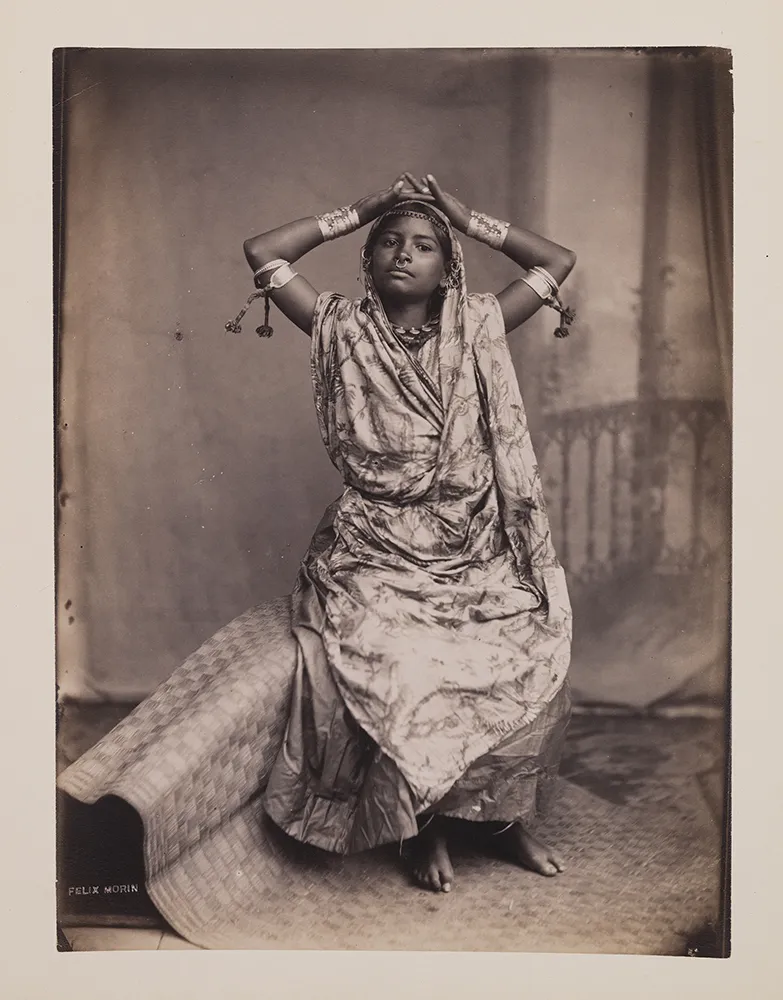
Photo: SMU Central University Libraries, No restrictions, via Wikimedia Commons
Scroll through TikTok on any given afternoon and you might stumble across a twenty-something in a Queens kitchen, narrating in a pitch-perfect Guyanese accent as she folds the edges of a perfect dhal puri. Or a guy in a Bronx apartment doing a deadpan impression of his auntie trying to explain why you must eat before you leave. Or a teenager layering chutney vocals over a hyperpop beat and somehow making it work completely.
This is Guyanese culture in 2024, and it has a ring light and a comment section.
For the second and third generation — the kids who grew up toggling between their grandparents' patois and American slang, between doubles at a family cookout and chicken nuggets at the school cafeteria — social media hasn't just been a platform. It's been a lifeline to a part of themselves that mainstream American culture never quite had room for.
The In-Between Generation Finds Its Voice
Growing up Guyanese in America has always come with a particular kind of cultural negotiation. You're Caribbean, but not the Caribbean that most Americans picture when they hear that word. You're South Asian in heritage, but often not recognized as such. You're Black, you're Indian, you're Indigenous — sometimes all at once, within the same family. Explaining that at school, or at a party, or on a first date, can be exhausting.
Social media didn't solve that complexity, but it did something maybe more useful: it gave young Guyanese Americans an audience that was already curious.
"The first time I posted a video making cook-up rice and it got like 40,000 views, I was shook," says Aaliyah Ramsaroop, 23, a content creator based in Orlando who goes by @aaliyahcooks on TikTok. "I thought it was just for Guyanese people who already knew what cook-up was. But the comments were full of people asking what it was, where they could try it, how to make it. People were genuinely interested."
That interest, she says, flipped a switch. She'd spent years downplaying her background in social situations, defaulting to "I'm Caribbean" when people asked because the longer explanation felt like too much. Now, the longer explanation is the content.
Food as the First Language
If there's one through-line in Guyanese content creation, it's food. Roti. Pepperpot. Metemgee. Garlic pork. Black cake at Christmas. The cuisine is as layered as the culture — a product of African, Indian, Indigenous, Chinese, and European influences that came together in one small country on the northern coast of South America and produced something entirely its own.
For creators, food is the easiest entry point and, often, the most emotionally loaded one. A video about making pepperpot is rarely just about pepperpot. It's about a grandmother's kitchen, about a recipe passed down without measurements, about the smell of cassareep that means Christmas is coming.
"Every time I make a traditional dish on camera, I'm thinking about my nani," says Marcus Bacchus, 26, whose cooking videos regularly pull six-figure views. "She taught me everything I know about Guyanese food before she passed. Putting it online feels like keeping her alive somehow. And the response from the community — from other Guyanese people who comment saying their nani made the same thing the same way — that hits different."
The food content also serves a practical archival function that creators themselves sometimes don't fully anticipate. Recipes that existed only in the memories of older generations are being documented, demonstrated, and preserved on servers that will outlast the cooks who invented them.
Music at the Crossroads
Beyond the kitchen, a younger cohort of Guyanese American musicians and producers is doing something even more sonically adventurous — reaching into the culture's musical heritage and pulling it forward into genres their parents never would have expected.
Chutney, the Indo-Caribbean musical tradition rooted in folk songs and devotional music, has long been a staple at Guyanese gatherings. Dancehall and soca pulse through every cookout. Now, artists raised on all of that plus hip-hop, Afrobeats, and hyperpop are blending the influences into something genuinely new.
Producer and artist Kavindra "Kavi" Singh, 21, grew up in the Flatbush area of Brooklyn and started making beats in his bedroom during the pandemic. His tracks layer chutney rhythms with trap hi-hats and R&B vocal samples. His SoundCloud following is modest but fiercely loyal, and he's been tapped for collaborations with artists from Trinidad and Suriname who found him through Instagram.
"People ask me how to describe my music and I just say it sounds like my life," Kavi says. "I grew up hearing chutney at family functions and then going home and listening to Drake. That's not a contradiction. That's just what it is to be from where I'm from."
Challenging the Stereotypes, One Post at a Time
Beyond the food and the music, there's a strand of Guyanese content that is explicitly, joyfully corrective. Videos that push back against the assumption that Caribbean means Jamaican. Posts that explain, with varying degrees of patience, that Guyana is in South America and yes, they know it sounds Caribbean, and yes, that's kind of the whole point. Reels that showcase the racial and cultural diversity of Guyanese identity in ways that complicate every easy category.
"People always want to put you in a box," says Aaliyah. "And Guyanese people don't fit in a box. We never have. That's actually what makes us interesting, but it took me a long time to see it that way instead of feeling like I had to explain myself constantly."
The comment sections on this kind of content have become their own communities — Guyanese diaspora members from New York to Toronto to London finding each other, comparing notes on their shared experience of being perpetually misunderstood and unexpectedly proud of it.
More Than Clout — It's Community
What's striking about this wave of Guyanese creators isn't just the content itself but what it's building around it. Group chats formed from comment sections. Collaborations between creators who met online before they met in person. A collective cultural confidence that feels new and earned.
For a diaspora community that has historically been close-knit but geographically scattered, the internet has done something that geography couldn't: put everyone in the same room.
"My cousins are in Toronto, my grandparents are in Guyana, my friends are all over," says Marcus. "But online, we're all together. And that's where Guyanese culture is living right now — in all of us, wherever we are."
The roti is still being made. The pepper pot is still on the stove at Christmas. But now it's also trending.