Snow on the Ground, Black Cake in the Oven: How Guyanese Families Are Keeping a Tropical Christmas Alive in America
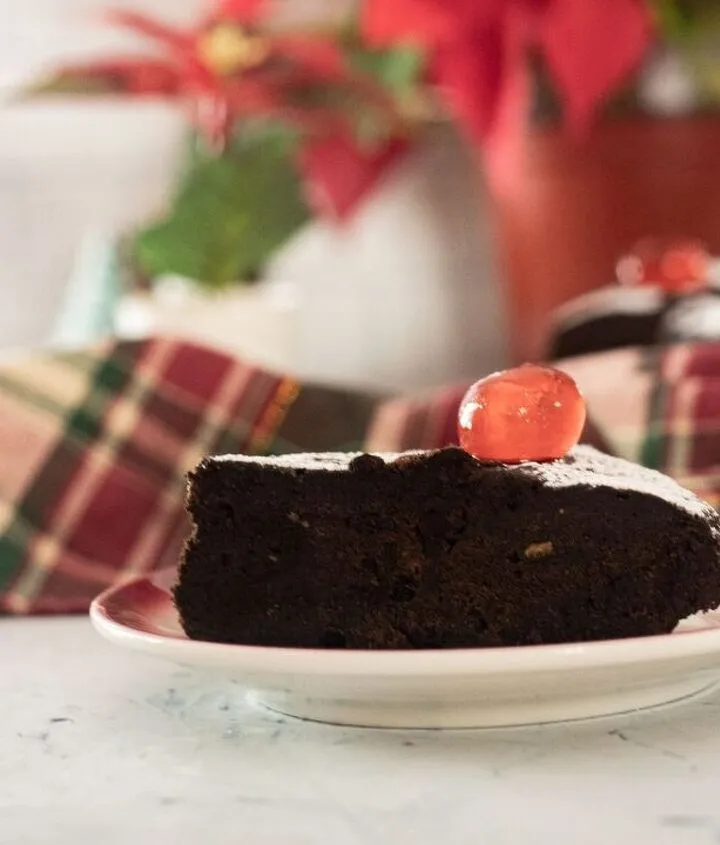
Photo: Caribbean family Christmas celebration with traditional food black cake holiday cooking, via cdn-fastly.foodtalkdaily.com
Ask any Guyanese person who grew up back home what Christmas smells like, and they won't hesitate. It's the sharp sweetness of black cake fruit soaking in rum since October. It's fresh paint on the front gate because your mother insisted the house had to look new before December 25th. It's the sweat on the back of your neck from caroling under a sky that never once considered dropping snow.
Now picture that same person standing in a Target in suburban New Jersey, cart loaded with mixed fruit and Wray & Nephew, while a PA system plays "Let It Snow." That's the Guyanese American Christmas experience in a nutshell — a beautiful, slightly absurd collision of two worlds.
For the hundreds of thousands of Guyanese living across the United States, Christmas isn't just a holiday. It's a cultural identity. And every year, families from Queens to Atlanta to Houston work overtime to make sure that identity doesn't get buried under a foot of American snow.
The Christmas They Remember
Grow up in Guyana and Christmas is practically a season unto itself. The preparations start early — sometimes as far back as September, when dried fruits get mixed and left to steep in rum and wine for the black cake. By December, houses are getting a fresh coat of paint inside and out. New curtains go up. The whole yard gets a deep clean. There's a sense of collective renewal that has nothing to do with the temperature outside, because in Guyana, December is just another warm month.
"Back home, Christmas morning you'd wake up and hear the neighbors already blasting music," says Nadine Fredericks, a Georgetown native who's lived in the Bronx for over fifteen years. "By nine o'clock, people were outside in their new clothes, visiting, eating. The whole street felt alive. Here, I look outside and it's just... grey. Quiet. Maybe some cars."
That contrast — between the vibrant, communal, sun-soaked Christmas of their childhood and the cold, often insular American version — is something nearly every Guyanese diaspora member can speak to. The holiday still means everything to them. It just looks and feels completely different.
Traditions That Don't Negotiate with the Weather
Here's the thing about Guyanese people: they adapt, but they don't surrender. Ask around any Guyanese household in December and you'll find that certain traditions are simply non-negotiable, no matter what the thermometer says.
Black cake is the big one. This dense, boozy fruit cake — soaked in rum and made with burnt sugar — is as central to a Guyanese Christmas as anything could possibly be. Families who have been in America for decades still make it from scratch every year. Some order the mixed fruits online. Others drive to Caribbean grocery stores in neighborhoods like Richmond Hill in Queens or Little Guyana in the Bronx to track down the exact brands they grew up with.
"My mother started her black cake in October," laughs Marcus Persaud, who grew up in Berbice and now lives outside of Atlanta. "She shipped me a bottle of the fruit mix last year because she didn't trust that I'd find the right one down here. I'm forty-two years old and my mother is still supervising my Christmas baking from across the ocean."
Pepperpot is another dish that shows up on tables across the diaspora every Christmas morning, as if the recipe itself refuses to acknowledge that it's currently 28 degrees outside. Made with cassareep and slow-cooked meats, it's traditionally served with fresh bread — and finding that specific style of Guyanese bread in America is its own annual quest.
Garlic pork, pine tarts, salara, egg ball — the spread varies by family and region, but the commitment to recreating it in American kitchens is universal.
Raising Kids Who've Never Felt a Tropical Christmas
Perhaps the most poignant challenge for Guyanese American parents is figuring out how to pass down a Christmas experience that their children have never actually lived.
American-born Guyanese kids grow up with the full package of a US holiday season — school Christmas concerts, ugly sweater days, mall Santas, and the genuine excitement of waking up to snow. They love it. But their parents carry a whole other version of Christmas in their bones, and they want their children to carry some of it too.
"My daughter knows that black cake takes three months," says Priya Sookdeo, a Guyanese American mom in Maryland. "She knows we clean the whole house before Christmas, not just tidy up. She knows we put out a spread in the morning and people come over, even if it's cold. I can't give her the heat and the music in the streets, but I can give her the feeling of it."
Some families double down on storytelling — using the holiday season as a time to share memories of Christmases in Guyana, look at old photos, and video call relatives back home. Others lean into the cooking as a form of cultural transmission, getting kids involved in making black cake or rolling out pine tart dough as a way of connecting them to something bigger than a single holiday.
A few families have even started hybrid traditions — decorating with both the classic American trimmings and Guyanese touches like sorrel drinks and steel pan Christmas music playing in the background.
Finding Community in the Cold
One thing that helps bridge the gap is community. Guyanese Americans have built remarkably tight-knit networks across cities like New York, Miami, and Houston, and the holidays are when those networks really activate.
Church plays a significant role — many Guyanese families are deeply religious, and Christmas services at Caribbean-majority congregations become reunion events where the food, the music, and the warmth feel genuinely close to home.
Local cultural organizations often host Christmas parties and events that bring the diaspora together, sometimes featuring live music, traditional foods, and the kind of noise and laughter that approximates a Georgetown street corner in December.
"When we get together with other Guyanese families at Christmas, it doesn't matter that there's snow outside," says Nadine. "Inside that house, it feels like home. The food is right, the music is right, the people are right. For a few hours, you're back."
Holding On to Something Real
There's a reason Guyanese families put in all this effort year after year. Christmas in Guyana wasn't just a holiday — it was a feeling, a community event, a full sensory experience that shaped how people understand warmth, togetherness, and celebration. Replicating that in a cold-weather country takes real work.
But the diaspora does it anyway. They soak the fruit in rum. They clean the house from top to bottom. They make the pepperpot and the black cake and the garlic pork. They call home on Christmas morning. They gather with their people.
Because at the end of the day, a Guyanese Christmas was never really about the weather. It was about the love that went into it. And that? That travels just fine.